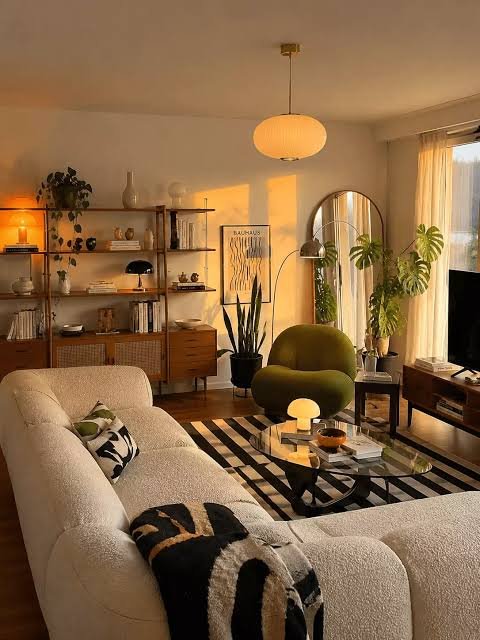
Small Bedroom Ideas: How to Create a Bigger, Calmer, More Beautiful SpaceBy Homely Ideas
Small Bedroom Ideas: How to Create a Bigger, Calmer, More Beautiful SpaceBy Homely Ideas | homelyideaes.comA small bedroom is not a problem to be solved. It is an opportunity to design something deliberate, cozy, and full of character. Some of the most beautiful bedrooms in the world are small ones, because limited space forces every decision to be thoughtful. There is no room for clutter, no room for pieces that do not earn their place, and no room for design that is merely average.Still, a small bedroom comes with real challenges. You need a bed, storage for clothes, perhaps a place to work or read, and enough floor space to move around without bumping into things. You also want the room to feel restful, because a bedroom is where you recover from the day. When the space is cramped and messy, it is hard to relax and even harder to sleep well.This complete guide gives you everything you need to design a small bedroom that feels larger, calmer, and more stylish. We will look at planning and measuring, choosing the right bed, smart storage solutions, color and lighting, mirrors and visual tricks, textiles, layout options, multi-purpose bedrooms, styling, budget ideas, common mistakes, and a practical checklist. Whether your room is a compact 9 x 10 feet or a slightly larger guest room, you will find ideas you can use today.Understanding the Challenge of a Small BedroomBefore jumping into solutions, it helps to understand what actually makes a small room feel small. It is rarely only the square footage. These are the main culprits:• Visual clutter. Too many objects, patterns, and colors make a room feel busy and cramped.• Oversized furniture. A bed or wardrobe that overwhelms the room eats up the floor and the eye.• Poor lighting. A single dim ceiling light creates dark corners that make walls feel closer.• Blocked pathways. When you have to squeeze around furniture, the room feels smaller than it is.• Low visual flow. Dark floors, heavy curtains, and boxy shapes can make a room feel like a cave.The good news is that each of these can be fixed with design choices, many of them inexpensive.What a Small Bedroom Is Really ForAsk yourself what the room truly needs to do. At a minimum, it must be a place to sleep and a place to store clothes. After that, you may need it to be a reading nook, a dressing area, a small desk space, or a place for a child to play. Decide on your priorities and be honest about what you can leave out. A small room cannot do everything, but it can do the important things very well.Step One: Plan and Measure CarefullyIn a small room, a few inches make a big difference. Careful planning prevents expensive mistakes.Measure the Room and Its FeaturesRecord the length, width, and ceiling height of the room. Note the position and size of windows, doors, and which way the door opens, as well as the position of radiators, outlets, switches, and any built-in features. Draw a simple floor plan on graph paper, with each square representing a set distance, or use a free online room planner.Mark Furniture on the FloorBefore buying anything, use painter’s tape or sheets of newspaper to mark the footprint of the furniture on the floor. Walk around it. Open the doors and drawers in your imagination. This simple trick reveals problems that a measuring tape alone will not, such as a wardrobe door that hits the bed, or a nightstand that blocks a window.Respect Minimum ClearancesAs a rule of thumb, aim for the following:• At least 24 inches (60 cm) on each side of the bed where possible, or at minimum on one side if the bed is in a corner.• At least 30 inches (75 cm) of main walkway space.• At least 36 inches (90 cm) in front of wardrobes and dressers so drawers and doors can open fully.In extremely small rooms, these distances may need to shrink, but try to keep a clear path from the door to the bed and the window.Choosing the Right BedThe bed is the largest piece of furniture in a bedroom, so it has the biggest effect on how the room feels. Choose it first, then plan everything else around it.Pick the Right SizeMany people automatically buy the largest bed that technically fits, but this can leave the room feeling jammed. Consider the following:• Twin or single (about 39 x 75 inches) is ideal for children and very narrow rooms.• Full or double (about 54 x 75 inches) is suitable for one person or a couple in a very tight space.• Queen (about 60 x 80 inches) is the most popular choice and fits many small rooms of around 10 x 10 feet, with careful planning.• King (about 76 x 80 inches) generally needs a room larger than 12 x 12 feet to feel comfortable.If you must choose between a bigger bed and a more comfortable layout, it is often wiser to choose the smaller bed and keep space for storage and movement.Storage BedsA bed with built-in storage is one of the smartest investments for a small bedroom. Options include:• Drawer beds, which have deep drawers built into the base for linens, shoes, and out-of-season clothes.• Lift-up or ottoman beds, where a gas-lift mechanism raises the entire mattress to reveal a huge storage compartment below.• Platform beds with shelving, which combine a low frame with open or closed cubbies in the base or headboard.A storage bed can replace an entire dresser, which frees a surprising amount of floor space.Low or Raised?A low platform bed keeps the room feeling open because it leaves wall space visible above it, while a raised bed (a loft or mid-sleeper) creates room underneath for a desk, a wardrobe, or a seating area. For adults, a raised bed is not always practical, but for children and teens or in a studio apartment, it can double the usable space.HeadboardsA large, heavy headboard dominates a small room. Instead, consider a slim upholstered headboard, a painted panel on the wall behind the bed, a wall-mounted wooden slat design, or even a large piece of art or a mirror above the bed. A wall-mounted headboard saves floor space because there are no legs or protruding frame.Smart Storage SolutionsStorage is the most important issue in a small bedroom. Without it, clutter builds up quickly. The aim is to give every item a home and to make the most of vertical and hidden space.Use the Vertical SpaceMost small bedrooms have unused space above head height. Use it with the following:• Floor-to-ceiling wardrobes that use the full height of the room, with the top shelves for seasonal items stored in boxes.• Tall, narrow bookcases or shelving units that draw the eye upward.• Wall-mounted shelves above the bed or desk for books, plants, and decor.• Over-the-door hooks and organizers for bags, robes, and accessories.Under-Bed StorageThe space under the bed is often wasted. Use low rolling bins, vacuum storage bags for bulky bedding, or flat boxes for shoes. If you have a raised bed frame, keep the area under it tidy and use matching containers so that it looks intentional.Built-In and Fitted WardrobesFitted wardrobes make the best use of awkward corners and alcoves and can be designed to the exact size of your room. Choose sliding doors instead of hinged ones, because they need no clearance space in front. Mirrored sliding doors double as a full-length mirror and visually enlarge the room. Handleless, flat-front doors in the same color as the wall make a built-in wardrobe nearly disappear.Bedside SolutionsFull-sized nightstands can be too bulky. Alternatives include:• Wall-mounted floating shelves or small floating drawers beside the bed.• A slim stool or a small round table that takes up very little floor space.• A narrow console or ledge along the wall at the head of the bed that holds lamps and books on both sides.• Hanging pendant lights instead of table lamps, which free the bedside surface completely.Declutter FirstNo storage solution can fix too many belongings. Before you buy anything, go through your clothes, shoes, and accessories. Keep what you use and love, and donate or sell the rest. A good rule is to remove anything you have not worn in a year. A smaller, well-chosen wardrobe is easier to store and easier to use every morning.Color Ideas That Make a Small Bedroom Feel BiggerColor changes how a room feels more quickly than almost anything else. The right palette can make a small bedroom feel open, peaceful, and bright, or deliberately cozy and enveloping.Light and Airy PalettesLight colors reflect light and make walls appear to recede. Popular options include:• Soft white and warm white, which are clean and bright and a perfect base for any style.• Pale gray and greige, which feel calm and sophisticated.• Light blue and sage green, which feel restful and connected to nature.• Blush and soft sand, which add warmth and a gentle, welcoming feel.For a calming effect, keep the palette to two or three related colors and vary the tones, so the room feels layered but not busy.The Monochromatic ApproachUsing different shades of a single color on the walls, bedding, curtains, and decor creates a seamless look with no hard visual breaks. This makes the edges of the room less defined and the space feel larger and calmer. Add interest with texture rather than contrast.Can a Small Bedroom Use Dark Colors?Contrary to popular belief, dark colors can work beautifully in a small bedroom, particularly if the room is used mostly at night. Deep navy, forest green, or charcoal can create a cocooning, intimate effect that hides corners and makes the room feel enveloping instead of cramped. If you choose this route, commit fully by painting the walls, trim, and even the ceiling in the same tone, and layer in warm lighting and textures to avoid a gloomy result.Paint the Ceiling and TrimA white or very pale ceiling reflects the most light. To make a ceiling feel higher, paint it a lighter tone than the walls, or draw the wall color up onto the ceiling for an enveloping effect. Painting the trim and baseboards in the same color as the walls hides the boundaries of the room and makes the walls feel taller and more continuous.Lighting a Small BedroomGood lighting makes a small bedroom feel larger, warmer, and more inviting. As with other rooms, layers are the key.Layer Your Lighting1. Ambient light gives overall illumination. A flush-mounted ceiling light or recessed lights suit rooms with low ceilings, because pendants can feel too close.2. Task light supports reading. Wall-mounted reading lights or small bedside lamps work well, and swing-arm wall lamps save table space.3. Accent light adds atmosphere. LED strips behind the headboard, under the bed, or on shelves create a soft glow that adds depth.Choose Warm BulbsUse warm white bulbs of 2700K in the bedroom, as the soft tone supports relaxation and sleep. Avoid cool white bulbs, which feel harsh and stimulating. Fit dimmer switches so you can lower the light in the evening.Save Space with Wall Lights and PendantsIn a small room, every table surface matters. Wall sconces and plug-in wall lights remove the need for lamps on nightstands. A pendant light hanging on a long cord from the ceiling beside the bed can replace a table lamp completely and adds a decorative element at the same time.Let in Natural LightKeep the windows clear of heavy furniture and use light, airy curtains. Sheer curtains allow daylight in while keeping privacy, and a blackout lining or blind behind them gives darkness at night. Hang curtains as high as possible, ideally close to the ceiling, to draw the eye upward and make the window appear larger.Mirrors and Visual TricksDesigners use a handful of simple tricks to make small rooms look bigger. All of them are inexpensive and easy to try.Use Mirrors WiselyA large mirror is the quickest way to double the sense of light and space. Place it opposite or beside a window so it reflects daylight and the view. A tall leaning floor mirror adds a dressing function, and a mirrored wardrobe door creates a feeling of depth. Avoid putting a mirror directly opposite the bed if it makes you uncomfortable at night.Draw the Eye UpwardVertical lines make a ceiling appear higher. Use tall curtains, tall mirrors, vertical stripes, tall plants, and wall-mounted shelves that reach toward the ceiling. Keep art hung slightly higher than usual to emphasize height.Show Some Floor and WallFurniture with exposed legs, such as a bed on slim legs, a leggy nightstand, or a wall-mounted desk, lets the eye see the floor beneath, which makes the room feel more open. In the same way, avoid covering every wall with furniture and shelves, since visible wall space gives the room room to breathe.Choose Furniture That Fits the RoomA few well-proportioned pieces always look better than many small ones. Scattered tiny furniture can look cluttered, while a small number of right-sized pieces looks calm and deliberate.