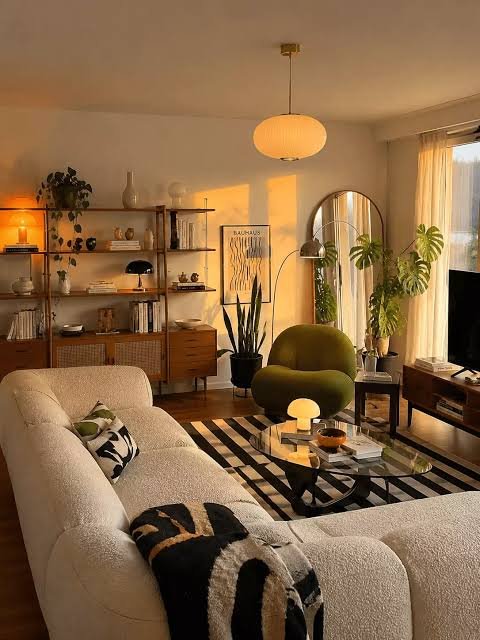
Modern Living Room Design: The Complete Guide to Creating a Space You Love
The living room is the heart of the home. It is where families gather after a long day, where guests are welcomed, where movie nights happen, and where quiet Sunday mornings unfold with a cup of tea. Because it does so many jobs at once, the living room is also one of the hardest rooms to design well. It has to look beautiful, feel comfortable, work hard every day, and still reflect your personality.
Modern living room design offers a clear answer to that challenge. It focuses on clean lines, honest materials, balanced proportions, and a calm, uncluttered atmosphere. But “modern” does not have to mean cold, empty, or boring. Done well, a modern living room feels warm, welcoming, and effortlessly stylish.
In this complete guide, you will learn everything you need to design a modern living room from scratch or refresh the one you already have. We will cover planning and layout, color palettes, furniture selection, lighting, textiles, walls, flooring, small-space solutions, technology, plants, budgeting, common mistakes, and a practical step-by-step checklist. By the end, you will have the knowledge and confidence to make decisions like a professional designer.
What Is Modern Living Room Design?
Before choosing sofas and paint colors, it helps to understand what “modern” actually means in interior design. The word is often used loosely, so let’s define it clearly.
Modern vs. Contemporary vs. Mid-Century
These three terms are often confused:
- Modern design traces back to the early-to-mid twentieth century. It emphasizes simplicity, function, clean geometric lines, and a rejection of unnecessary ornament.
- Mid-century modern is a specific era within modernism (roughly the 1940s to 1960s), known for tapered wooden legs, organic curves, warm walnut and teak tones, and bold but controlled accent colors.
- Contemporary design is the style of the present moment. It borrows from modernism but also evolves with trends, so it can include curves, texture, and mixed materials.
In everyday conversation, when people say “modern living room,” they usually mean a space that is clean, simple, and current. This guide uses that practical meaning, drawing on the best ideas from all three.
The Core Principles of Modern Design
Nearly every successful modern living room follows the same handful of principles:
- Simplicity. Every item earns its place. Nothing is there only to fill space.
- Clean lines. Furniture and architecture favor straight edges, gentle curves, and uncluttered silhouettes.
- Function first. Comfort, storage, and usability guide the design, and beauty follows from good function.
- Neutral base with purposeful accents. Walls, floors, and large furniture stay calm, while small accents add personality.
- Natural light and open space. Windows are celebrated, and the room is allowed to breathe.
- Quality materials and texture. Wood, stone, metal, glass, linen, and wool bring depth so that a simple room never feels flat.
Keep these six ideas in mind. Every decision in the rest of this guide connects back to them.
Step One: Plan Before You Buy
The biggest mistake people make is shopping first and planning later. Professional designers do the opposite. They spend most of their time understanding the room and how it will be used, and only then do they choose products.
Define How You Actually Use the Room
Start by writing down what your living room needs to do. Be honest and specific. Consider questions like these:
- How many people live in the home, and how many usually sit in this room at once?
- Do you watch television here every day, or is the room mainly for conversation?
- Do children play on the floor? Do pets sleep on the sofa?
- Do you work from home in this room, even occasionally?
- How often do you host guests, and how many?
- Do you read, play music, do hobbies, or exercise here?
A family with two young children needs durable, easy-to-clean fabrics and plenty of closed storage. A couple who loves entertaining needs flexible seating and good lighting for evenings. A person who works from the sofa needs support and a surface for a laptop. Your answers become the brief for your design.
Measure Everything
Grab a tape measure and record the following, then sketch a simple floor plan on paper or in a free design app: - Length and width of the room, and the ceiling height
- Position and size of windows and doors, including how doors swing open
- Location of power outlets, light switches, radiators, vents, and fireplaces
- Any architectural features such as alcoves, columns, or beams
These measurements prevent costly mistakes, such as a sofa that does not fit through the doorway or a rug that is too small for the seating area.
Set a Realistic Budget
Decide on a total budget before you start, then divide it across categories. A common approach for a living room refresh is: - Seating (sofa and chairs): 35–40%. This is where comfort and longevity matter most.
- Lighting: 10–15%. Good lighting transforms a room more than most people expect.
- Rug and window treatments: 10–15%.
- Tables and storage: 10–15%.
- Paint, wall decor, and accessories: 10–15%.
- Contingency: 5–10%. Something always costs more than planned.
If your budget is tight, invest in the pieces you touch and use every day, such as the sofa, and save on decorative items that can be upgraded later.
Create a Mood Board
Gather images that appeal to you from magazines, websites, and social media, then look for patterns. Do you keep choosing light, airy rooms or deep, moody ones? Warm wood or black metal? Curved sofas or boxy ones? Collect fabric swatches, paint samples, and photos of furniture you like. A simple mood board keeps you focused and prevents impulse purchases that do not belong together.
Layout and Traffic Flow
A beautiful room that is awkward to walk through will never feel right. Layout is the invisible skeleton of good design, so get it right before choosing finishes.
Find the Focal Point
Every living room needs one main focal point that anchors the layout. It might be a fireplace, a large window with a view, a feature wall, or a television. If your room has several competing focal points, such as a fireplace on one wall and a television on another, decide which one is primary and arrange the seating to respect it.
Arrange Seating for Conversation
Modern living rooms work best when furniture is grouped for conversation rather than lined up against the walls. Here are the practical rules designers follow: - Float the furniture. Pull the sofa a few inches, or even a couple of feet, away from the walls. This creates intimacy and makes the room feel larger and more intentional.
- Keep conversation distances comfortable. Seats facing each other should be roughly 8 to 10 feet apart, close enough to talk without raising your voices.
- Leave walkways. Allow about 30 to 36 inches (75–90 cm) for main pathways, and at least 14 to 18 inches (35–45 cm) between a sofa and the coffee table.
- Make sure everyone has a surface. Each seat should have a side table, coffee table, or ottoman within easy reach for drinks and books.
Popular Layout Options
The L-shaped layout. A sectional or a sofa paired with a chaise forms an L, defining the seating zone in open spaces. It is excellent for families and for rooms with a corner to fill.
The face-to-face layout. Two sofas, or a sofa and two armchairs, face each other across a central coffee table. It encourages conversation and suits rooms where the television is not the main attraction.
The U-shaped layout. A sofa and two matching chairs or a sectional form a U around the coffee table. It works well in larger rooms and for hosting.
The symmetrical layout. Matching pieces on either side of a fireplace or focal point create a calm, balanced, formal feel.
The asymmetrical layout. Different but visually balanced pieces, for example a large sofa balanced by two smaller chairs and a tall plant, feel more relaxed and modern.
Zoning in Open-Plan Spaces
Many modern homes have the living room open to the dining area or kitchen. In this case, use furniture and rugs to define zones. A sofa with its back to the dining area creates a gentle divider, while a rug anchors the seating group. A console table behind the sofa adds storage and a visual boundary without blocking light.
Choosing a Color Palette
Color sets the mood of your living room more than any other single element. The good news is that modern design gives you a simple formula that is easy to follow.
The 60-30-10 Rule
This classic designer rule divides your colors into three roles: - 60% dominant color. Usually a soft neutral on the walls and large surfaces.
- 30% secondary color. Found in upholstery, curtains, and larger furniture.
- 10% accent color. Used in cushions, art, vases, and small objects.
Following this ratio keeps the room cohesive while leaving space for personality.
Timeless Neutral Palettes
Warm white and beige. Soft, welcoming, and light-reflecting, this palette suits almost every room and pairs beautifully with natural wood.
Greige and soft gray. A blend of gray and beige that feels sophisticated and flexible. Add warm accents to prevent a cold feel.
Cream, sand, and camel. A warm, tonal scheme that feels cozy and elegant, especially with linen and wool textures.
Charcoal and white. A crisp, high-contrast palette with a graphic feel. Soften it with wood and plants.
Bold and Moody Options
If you love color, modern design welcomes it, as long as you stay intentional: - Deep green or forest green feels natural, calming, and luxurious, especially with brass accents and walnut furniture.
- Navy and ink blue create a dramatic yet restful space, particularly in rooms with good natural light.
- Terracotta and clay tones bring earthy warmth and pair well with cream, olive, and black.
- Rich charcoal or near-black walls can make a room feel intimate and gallery-like when lighting is well planned.
Understanding Undertones
When choosing neutrals, undertones matter. A white with a yellow undertone will feel warm, while one with a blue undertone will feel cool. Always test samples on the wall and look at them in morning, afternoon, and evening light. North-facing rooms receive cooler light and often benefit from warmer paint colors, while south-facing rooms can handle cooler shades.
How Color Affects Mood - Soft neutrals and pale blues promote relaxation.
- Greens feel restorative and connected to nature.
- Warm earth tones feel cozy and social.
- Bright yellows and oranges feel energizing, so use them sparingly as accents.
Selecting the Right Furniture
Furniture is where a modern living room is won or lost. The goal is to choose fewer, better pieces with the right scale and proportions.
The Sofa: Your Most Important Purchase
The sofa is the anchor of the room, so it deserves the largest share of your seating budget. Consider the following: - Size and scale. Measure carefully. A sofa should leave comfortable walkways and relate to the size of the room. In small rooms, a compact two-seater or a sofa with slim arms saves space.
- Shape. Modern sofas typically have clean, straight lines, low profiles, and slim legs. Curved or “bouclé” sofas add softness and have been popular in recent years.
- Depth. Deep sofas (over 38 inches or 96 cm) are great for lounging but can feel overwhelming for shorter people. Test before you buy.
- Frame and cushions. Look for a solid hardwood frame, high-resiliency foam, or a foam-and-feather blend that holds its shape.
- Fabric. Choose based on lifestyle. Performance fabrics and tightly woven weaves handle children and pets; linen blends look relaxed but wrinkle; leather ages gracefully and wipes clean.
Accent Chairs
Accent chairs add flexibility and personality. Choose one or two with a different shape from the sofa to create visual interest. A sculptural lounge chair, a swivel chair, or a pair of slim armchairs can balance the layout. Make sure they are comfortable, because a chair that nobody wants to sit in is only decoration.
Coffee Tables and Side Tables
The coffee table should be about two-thirds the length of the sofa and sit at roughly the same height as the seat cushions, or slightly lower. Modern options include: - Round or oval tables, which soften the room and are safer for families with small children.
- Nested tables, which offer flexibility and save space.
- Glass or light-toned tables, which keep small rooms feeling open.
- Stone, marble, or solid wood tables, which add weight and texture.
Side tables should be slightly lower than or level with the arm of the sofa. Mixing materials, such as a wood coffee table with metal side tables, adds depth without chaos.
Storage That Works Quietly
Clutter is the enemy of modern design, so build storage into the room from the beginning: - Closed media units hide cables, consoles, and remote controls.
- Wall-mounted shelves keep the floor clear and make the room feel larger.
- Ottomans with hidden storage hold blankets, toys, and magazines.
- Sideboards or credenzas offer concealed storage and a surface for lamps and decor.
Aim for a ratio of roughly two-thirds closed storage to one-third open display, so that your favorite objects shine while everyday mess stays out of sight.
Materials to Look For
Modern furniture draws on a limited palette of honest materials: oak, walnut, and ash for warmth; steel, brass, and black metal for definition; glass for lightness; stone for solidity; and leather, linen, wool, and bouclé for softness. Mix three or four of these, not ten, for a cohesive result.
Lighting: The Secret to a Great Living Room
Lighting is the element most often neglected and the one that makes the biggest difference. A beautifully furnished room with poor lighting will feel flat, while a simple room with great lighting feels special.
The Three Layers of Light
Professional designers layer three types of light:
- Ambient lighting provides general illumination. It comes from ceiling fixtures, recessed lights, or large pendants.
- Task lighting supports specific activities such as reading. Floor lamps beside chairs and table lamps are the usual solutions.
- Accent lighting adds drama and highlights features. Think picture lights, LED strips behind shelves, or wall washers across textured walls.
A living room should have at least one light source from each layer, and ideally five or six separate light sources in total, so that you can adjust the mood throughout the day.
Choosing the Right Bulbs
Color temperature is measured in Kelvin. For living rooms, choose 2700K to 3000K, which gives a warm, inviting glow. Cooler bulbs above 4000K feel clinical and suit kitchens and offices, not relaxing spaces. Also look at the CRI (Color Rendering Index), and choose bulbs with a CRI of 90 or higher so that fabrics, wood, and skin tones look natural.
Dimmers and Smart Controls
Installing dimmer switches is one of the easiest and most affordable upgrades. A room that can move from bright and functional in the daytime to soft and intimate in the evening is far more versatile. Smart bulbs and smart switches add scheduling and voice control, though they are optional.
Statement Fixtures
A sculptural pendant, an arc floor lamp, or an oversized paper lantern can act as a piece of art. In modern rooms, choose fixtures with simple, striking forms. Hang pendants so the bottom sits at least 7 feet (about 2.1 meters) above the floor in walkways, and use a larger fixture than you might first think, since small fixtures often look lost.
Maximizing Natural Light
Natural light is free and powerful. Keep windows unobstructed, use sheer or light-filtering curtains, and place mirrors opposite windows to bounce light deeper into the room. Hang curtains high and wide so that the window appears larger and the glass is fully exposed in the daytime.
Textiles: Adding Warmth and Softness
A common complaint about modern rooms is that they feel cold or showroom-like. Textiles are the cure. They add comfort, absorb sound, and bring the layers of texture that make a simple room feel rich.
Rugs: The Foundation of the Room
A rug ties the seating area together and defines the zone. Size matters more than almost anything else. A rug that is too small makes the room look disconnected and cheap, so follow these guidelines:
- Ideal: all legs of the sofa and chairs rest on the rug.
- Minimum: at least the front legs of every seat sit on the rug.
- Common sizes: 8 x 10 feet (about 2.4 x 3 m) suits most living rooms, while 9 x 12 feet (about 2.7 x 3.7 m) suits larger spaces.
For materials, wool is durable and naturally stain-resistant, jute and sisal bring a natural, textured look, and low-pile or flat-weave rugs are easier to clean and work well with sliding furniture. Choose a pattern or texture that is subtle in a modern room: geometric lines, tone-on-tone weaves, or an abstract design.
Curtains and Window Treatments
Curtains frame the windows and soften the hard lines of a modern room. Hang the rod 4 to 6 inches above the window frame, or even close to the ceiling, and extend it 8 to 12 inches beyond each side. This makes the windows feel taller and wider. Choose floor-length curtains in linen, cotton, or a linen blend for a clean, relaxed look. Layer with sheers and blackout liners where privacy or sleep is a concern.
Cushions and Throws
Cushions are the easiest way to add color and pattern and the cheapest way to update the room each season. A few simple rules: - Use odd numbers, such as three or five cushions, for a natural look.
- Mix sizes: for example 20 x 20 inch squares with one lumbar cushion.
- Combine textures, such as velvet, linen, wool, and bouclé, within the same color family.
- Choose one accent color and repeat it in two or three places across the room.
A soft throw draped over the arm of the sofa or the back of a chair adds instant comfort and a relaxed, lived-in feeling.
Walls, Art, and Decor
Walls take up more visual space than any other surface in the room, so treat them with care.
Art and Gallery Walls
Art gives a modern living room personality. Hang pieces so that the center of the artwork sits about 57 to 60 inches (about 145 to 152 cm) from the floor, which is roughly eye level. Above a sofa, choose art that is about two-thirds the width of the sofa. Large single pieces feel bold and modern, while a curated gallery wall of frames in consistent colors or finishes feels personal and relaxed. Leave generous space between frames, usually 2 to 3 inches.
Mirrors
Mirrors multiply light and create a sense of depth. A large leaning floor mirror or a round mirror above a console adds style as well as function. Place mirrors where they reflect something beautiful, such as a window or a lamp, and not a pile of clutter.
Accent Walls and Wall Treatments
An accent wall can create a focal point, but it works best when it is chosen with purpose. Consider paint in a deeper shade, wood slat paneling, limewash, a textured plaster finish, or large-format tile behind a fireplace. Avoid dividing the room into too many competing colors.
Styling Shelves and Surfaces
Style your surfaces in groups of three, mixing heights, shapes, and materials. For example, combine a tall vase, a stack of books, and a small sculptural object. Leave some empty space so the display can breathe, because negative space is part of modern design.
Flooring and Ceilings
Flooring Choices
The floor is the largest surface in the room and sets the tone for everything above it: - Hardwood and engineered wood bring warmth and last for decades. Light oak suits Scandinavian-inspired rooms, while walnut and darker tones feel more dramatic.
- Large-format porcelain tile gives a clean, seamless look that is durable and easy to maintain, and is popular in warmer climates.
- Polished concrete is the epitome of industrial modern, but it needs rugs to soften sound and temperature.
- Luxury vinyl plank offers realistic wood looks at a lower price and is water-resistant.
- Natural stone and marble are elegant and long-lasting, but they are costly and require care.
Whichever you choose, keep the flooring consistent across open-plan areas to maintain visual flow.
Ceilings and Architectural Details
Do not forget the fifth wall. Painting the ceiling a very soft tint of the wall color can add subtle depth, while a pure white ceiling maximizes brightness. Modern rooms often feature recessed lighting, exposed wood beams, simple crown molding, or slim picture rails. Keep details minimal and clean.
Designing a Small Living Room
A small living room can be just as stylish as a large one. The key is to make every inch count and to create the illusion of space.
- Choose light, low furniture. Pieces with exposed legs let the eye see the floor, which makes the room feel bigger.
- Use a light color palette. Soft whites and pale neutrals reflect light and expand the space visually.
- Go vertical. Tall bookshelves, wall-mounted shelves, and floor-to-ceiling curtains draw the eye upward.
- Choose multi-purpose pieces. Storage ottomans, nesting tables, and sofa beds work twice as hard.
- Use mirrors. A large mirror opposite a window can double the sense of light.
- Keep surfaces clear. A few well-chosen objects look better than many small ones.
- Anchor with one rug. One properly sized rug makes the room feel unified instead of fragmented.
- Use wall-mounted lighting. Sconces and swing-arm lamps free up table surfaces and floor space.
Open-Plan Living Rooms
Open-plan spaces offer freedom but need structure. To keep them cohesive:
- Repeat a limited color palette across all zones so the space feels unified.
- Use rugs to define each zone and keep them in related tones.
- Align lighting. Choose fixtures with a shared style or finish across living, dining, and kitchen areas.
- Keep sightlines in mind. The back of the sofa will be visible from the kitchen, so choose a good-looking back or a console table behind it.
- Manage sound. Soft furnishings, curtains, and rugs absorb noise that would otherwise echo across a large open volume.
Technology and the Television
The television can dominate a living room. There are several elegant ways to handle it: - Mount it on the wall at eye level when seated, usually the center of the screen about 42 inches (about 107 cm) from the floor, and hide the cables inside the wall or behind a cable cover.
- Frame it with shelves or a feature wall so it becomes part of a composition rather than a black rectangle.
- Use a framed TV or art mode that displays artwork when it is not in use.
- Conceal it inside a cabinet with doors or behind a sliding panel if you prefer a screen-free look.
Plan the sound too. A soundbar or a slim speaker set is simpler and neater than a tangle of wires, and a small amount of acoustic softness from rugs and curtains improves the quality of the sound.
Bringing in Plants and Natural Elements
Plants are the single most effective accessory in a modern living room. They add life, color, and organic shape to counter all the straight lines. A large floor plant such as a fiddle-leaf fig, rubber plant, or olive tree in a simple planter acts as living sculpture. Trailing plants on shelves, such as pothos, soften edges. If you do not have a green thumb, choose resilient varieties like snake plants, ZZ plants, and peace lilies, which tolerate low light and occasional forgetfulness.
Add other natural materials too: a wooden bowl, a stone tray, a woven basket, dried grasses in a ceramic vase, and a linen throw. The combination of nature and clean lines is at the heart of warm modern design.
A Sample Budget Breakdown
To see how the percentages work in real life, here are three example budgets for a full living room makeover:
Item
Budget (approx.)
Mid-range (approx.)
Premium (approx.)
Sofa
$600–900
$1,500–3,000
$4,000+
Accent chairs
$200–400
$600–1,200
$2,000+
Coffee and side tables
$150–300
$400–900
$1,500+
Rug
$150–300
$500–1,200
$2,000+
Lighting
$150–300
$400–900
$1,500+
Curtains
$100–250
$300–700
$1,200+
Paint and wall decor
$150–300
$300–700
$1,000+
Accessories and plants
$100–200
$250–500
$800+
These ranges are approximate and vary by country and retailer, but they show where to invest. If you can only afford one premium item, make it the sofa.
Common Modern Living Room Mistakes to Avoid
- Buying furniture that is too big or too small. Always measure and use painter’s tape on the floor to mark the footprint.
- Pushing everything against the walls. Float the furniture to create comfort and conversation.
- Relying on a single overhead light. Layer your lighting for warmth and flexibility.
- Choosing a rug that is too small. A small rug makes the whole room look disjointed.
- Forgetting texture. A room of flat surfaces in one color feels cold. Mix materials.
- Matching everything. Matching sets feel dated. Choose pieces that complement one another.
- Following every trend. Trends fade, so keep the large, expensive items timeless and let accessories carry the trends.
- Ignoring storage. Clutter destroys a modern look faster than anything else.
- Hanging art too high. Keep the center of art near eye level.
- Skipping the sample testing. Always test paint and fabric in your actual room and light.
A Step-by-Step Checklist
Use this order to avoid backtracking and wasted money: - Define how you use the room and write a clear brief.
- Measure the room and draw a floor plan.
- Set your total budget and divide it by category.
- Create a mood board and choose a color palette.
- Decide the layout and focal point.
- Fix the basics: paint, flooring, and electrical or lighting changes.
- Buy the sofa and major seating first.
- Add the rug, then tables and storage.
- Layer the lighting with dimmers and bulbs of 2700K–3000K.
- Hang curtains and mirrors.
- Add art, plants, cushions, and throws.
- Edit: remove anything that does not belong, and let the room breathe.
Frequently Asked Questions
What colors are best for a modern living room?
Neutral palettes of warm white, beige, greige, and soft gray are the safest and most timeless. Add one or two accent colors, such as deep green, navy, or terracotta, through cushions, art, and accessories.
How do I make a modern living room feel cozy?
Layer textures such as wool, linen, bouclé, and velvet. Use warm 2700K lighting, add a generous rug, bring in plants and natural materials, and include a soft throw and cushions.
What size rug should I use in my living room?
Choose a rug large enough for at least the front legs of all your seating to rest on it. In most living rooms, that means 8 x 10 feet or 9 x 12 feet.
How high should I hang a TV in the living room?
The center of the screen should be roughly at seated eye level, usually around 42 inches (107 cm) from the floor.
How can I make a small living room look bigger?
Use light colors, low furniture with exposed legs, large mirrors, vertical storage, and floor-to-ceiling curtains. Keep surfaces uncluttered.
How many light sources should a living room have?
Aim for five or six separate light sources across the three layers of ambient, task, and accent lighting, ideally with dimmers.
Is a modern living room expensive to create?
Not necessarily. Modern design is about restraint, not price. Spend more on the sofa and lighting, and save on accessories, art prints, and decor that you can upgrade over time.
Final Thoughts
A great modern living room is not about following a formula or copying a showroom. It is about creating a calm, comfortable, beautiful space that supports the way you actually live. Start with a clear understanding of how you use the room, plan the layout carefully, choose a restrained color palette, invest in a comfortable sofa and layered lighting, and add warmth through texture, plants, and personal objects.
Remember that design is a process. You do not need to finish the room in a weekend. Live in the space, notice what works and what does not, and refine it over time. The best rooms evolve with the people who live in them.
With the principles in this guide, you now have everything you need to design a modern living room that looks wonderful, feels welcoming, and works beautifully for years to come. At Homely Ideas, we are here to help you with every other room in your home too, so keep exploring and keep creating a home you love.